Information
Landmark: Roman Theatre of TipasaCity: Tipasa
Country: Algeria
Continent: Africa
Roman Theatre of Tipasa, Tipasa, Algeria, Africa
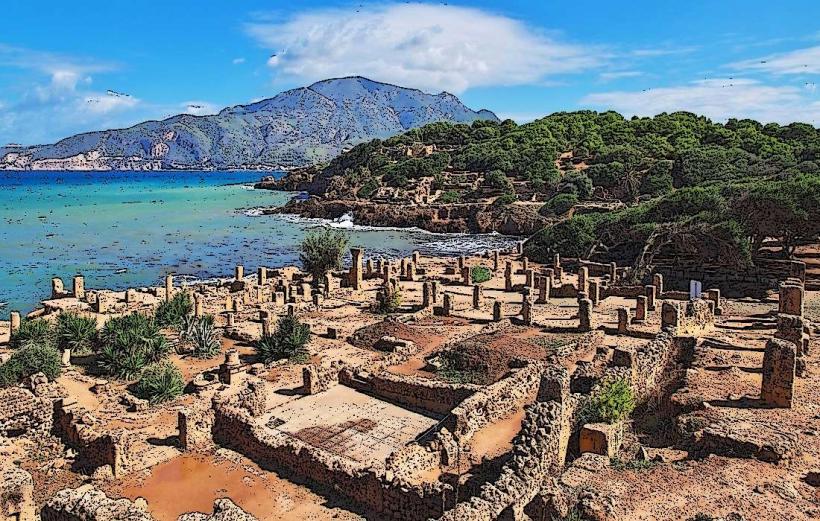
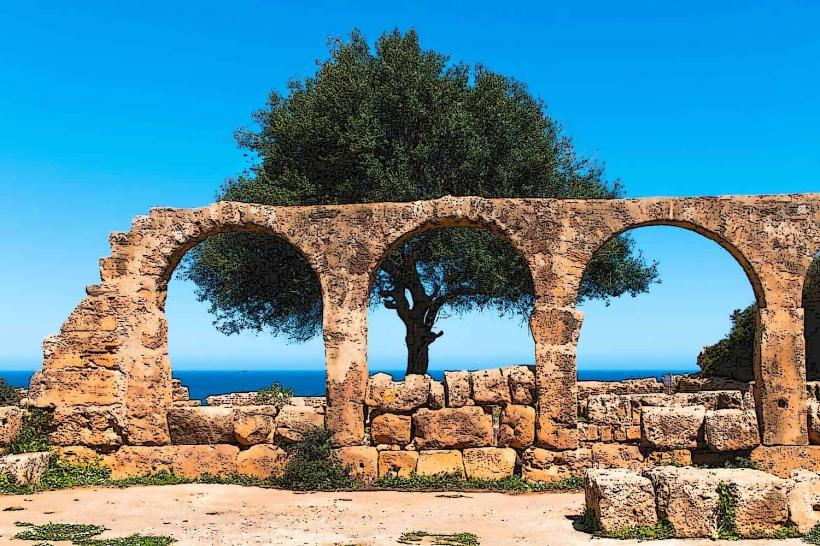
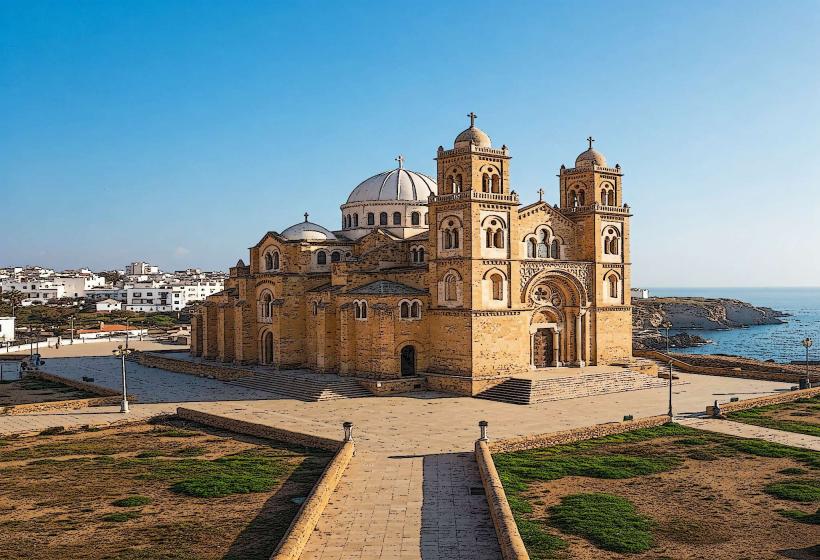
The Roman Theatre of Tipasa, located in the ancient city of Tipasa in modern-day Algeria, is a well-preserved example of Roman architecture and theatre design. Tipasa was a prominent Roman colony that flourished from the 1st century BCE until the 7th century CE. The theatre is one of the major archaeological sites in the region, reflecting both the cultural and historical significance of the area during the Roman period.
Structure and Design
The Roman Theatre of Tipasa was built in the 2nd century CE, likely during the reign of the Roman Emperor Hadrian. It is situated on a hillside with a view of the Mediterranean Sea, providing a stunning backdrop for performances. The theatre was designed in the traditional Roman style, with a semi-circular seating arrangement (cavea) and a stage (scaena) where performances took place.
The theatre was originally capable of seating around 3,500 spectators, with the seating arrangement divided into three tiers. The lower tier was for important individuals, while the upper tiers were reserved for common citizens. The seats were made from stone, and the theatre’s acoustics were carefully designed to ensure that sound traveled effectively throughout the space.
The stage area was adorned with columns and decorative elements, including remnants of statues and friezes. The back wall of the scaena included niches that once housed statues, and parts of the orchestra (the circular area where the actors performed) are still visible today.
Architectural Features
Cavea (Seating Area): The seating arrangement is one of the most notable features of the theatre. The structure is built into the natural landscape, which allowed for a better view of the surrounding area. The seating is tiered, and the stone blocks used for construction are still visible, though some parts have been worn down over time.
Scaena (Stage): The stage was the focal point of the theatre, where actors performed their plays. It is supported by a series of columns and remains of decorative stonework. The stage area is typically rectangular, and although some of the original stage structure has been eroded, its layout is still discernible.
Orchestra: This circular area in front of the stage was used for various performances and rituals. While much of it has been eroded, you can still see its distinct shape and the remains of stone paving.
Columns and Decorations: The theatre’s design incorporated columns that were part of the scaena’s back wall. The remains of these columns indicate a high level of architectural sophistication and are characteristic of Roman theatre construction.
Cultural Significance
The Roman Theatre of Tipasa was not only a space for entertainment but also a venue for social and political gatherings. The plays performed here would have been an important form of public life, and the theatre played a role in Roman cultural expression, including theatrical performances, musical events, and speeches.
Tipasa itself was a melting pot of cultures, with Roman, Punic, and indigenous Berber influences. This diversity is reflected in the architecture and the use of the theatre. The site also holds religious significance, as the area was home to several temples and sanctuaries dedicated to Roman gods.
Decline and Preservation
The theatre began to decline during the 5th century CE, likely due to the fall of the Roman Empire and the subsequent decline in the use of classical structures. It was eventually abandoned, like many other Roman theatres across the empire, as the region transitioned through different periods of occupation and rule.
Despite the damage over time, the Roman Theatre of Tipasa remains one of the most significant and well-preserved ancient structures in the region. Archaeological efforts have helped to stabilize and preserve the site, making it a popular destination for visitors interested in Roman history and architecture.
Today, the site is part of the Tipasa Archaeological Park, which is a UNESCO World Heritage site, recognizing its importance in the history of the Roman Empire and its role in the cultural development of the region.